
If you’re missing a tooth, or several, you’ve probably heard that dental implants are the gold standard for replacement. They look natural, feel secure, and can last a lifetime with proper care. But we also know what’s really holding people back from picking up the phone. The fear of pain.
It’s one of the top questions we hear in our Claremont office. “Does getting a dental implant hurt?” And it’s a fair thing to wonder about. Nobody looks forward to oral surgery. So let’s walk through what the implant process actually feels like, step by step, so you know exactly what to expect.
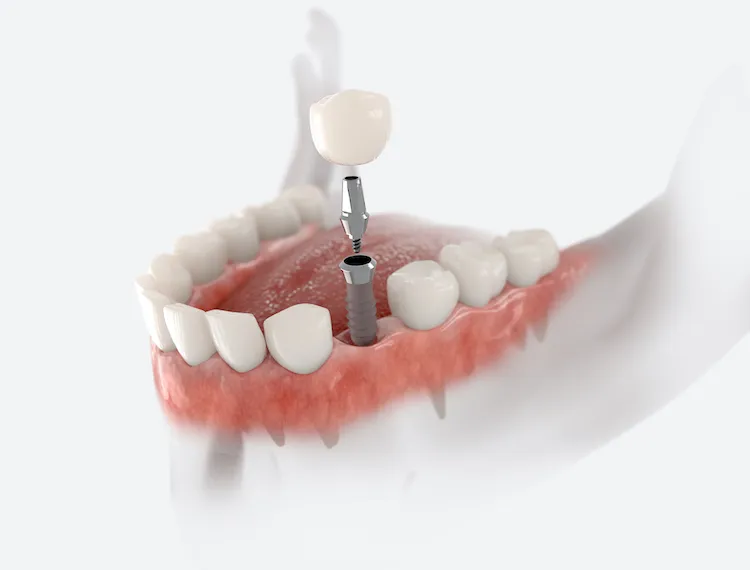
The Procedure Itself: You Won’t Feel a Thing
Implant placement itself isn’t painful. We use local anesthesia to completely numb the area before we begin. You’ll feel pressure and maybe some vibration, but you won’t feel sharp pain or drilling.
Many of our patients are pleasantly surprised by how uneventful the procedure feels. Some even doze off during it. If you’re especially anxious, we can discuss additional sedation options to keep you comfortable.
The entire appointment usually takes about one to two hours, depending on how many implants you’re getting. And thanks to the advanced technology we use, including 3D CT scanning for precise planning, the process is more accurate and less invasive than it used to be.
What About After the Numbing Wears Off?
Once the anesthesia fades, you will feel some soreness. That’s normal. Your body just went through a minor surgical procedure, and it needs to heal.
Most patients describe the discomfort as similar to a bad toothache or the feeling after a tooth extraction. You can manage it with over-the-counter pain relievers like ibuprofen, which we’ll recommend. We may also prescribe something stronger for the first day or two if needed.
Soreness usually peaks within the first 24 to 48 hours. After that, it improves steadily. By day three or four, most patients are feeling significantly better. By the end of the first week, many are back to their normal routines.
What You Can Do to Stay Comfortable
A little preparation goes a long way. Here’s what we recommend:
- Apply ice packs to the outside of your cheek for the first 24 hours: This helps reduce swelling and naturally numbs the area. Use them in twenty-minute intervals.
- Stick to soft foods for the first few days: Think yogurt, smoothies, mashed potatoes, scrambled eggs, and soup. Avoid anything crunchy, spicy, or extremely hot.
- Take your medications as directed: If we prescribe antibiotics or pain relievers, follow the instructions exactly. Don’t wait until the pain is severe to take something; stay ahead of it.
- Rest: But don’t stay completely still. Gentle movement is fine. Avoid strenuous exercise for the first week, since it can increase blood flow and slow healing.
- Don’t smoke: Smoking significantly impairs healing and can cause implant failure. This is one of the most important things you can do for a successful recovery.
The Long-Term Reality
Implant surgery discomfort is temporary. It lasts days. The benefits last decades.
Once your implant has healed and your permanent crown is in place, you’ll have a tooth that functions like a natural one. You’ll be able to eat whatever you want, smile with confidence, and forget it’s even there. No more avoiding certain foods because of a missing tooth. No more hiding your smile in photos.
We’ve placed countless implants over the years, and we can’t count how many times patients have told us afterward, “That was so much easier than I expected.”
We’ll Walk You Through Every Step
If fear of pain is the only thing standing between you and a restored smile, we’d love to talk with you. We’ll answer every question, explain exactly what to expect, and make sure you feel comfortable and informed before we ever begin.
You don’t have to live with missing teeth. And you don’t have to fear fixing them. New patients can reach us at (909) 277-6919 or request an appointment online.